
Where cooking becomes something you actually understand
We teach the fundamentals that matter. Not fancy plating or complicated techniques, but the core skills that make daily cooking easier and more reliable.
See What's AvailableDevelopment Within Platform
Our programs are organized by complexity. You start with basic knife work and heat control, then move into ingredient knowledge and recipe adaptation. Each level builds on what you learned before. Most people spend several months at each stage before they feel ready to move forward.
Foundation Level
Basic knife handling, understanding heat levels, proper timing for simple dishes. This typically takes three to four months of regular practice. You learn how to cook vegetables correctly and manage multiple pans at once.
Ingredient Knowledge
How to select produce by season, understand storage requirements, recognize when ingredients are properly cooked. You start learning why certain combinations work and others don't. This builds on your foundation skills.
Recipe Adaptation
Using recipes as guidelines rather than strict rules. Adjusting quantities, substituting ingredients based on availability, fixing mistakes as they happen. This is where you start trusting your own judgment in the kitchen.
Independent Cooking
Planning meals around what you have, balancing flavors without tasting constantly, creating dishes from scratch without following written instructions. Most students reach this point after roughly eighteen months of consistent practice.
Technologies: Reliable and Scalable System
Video Platform
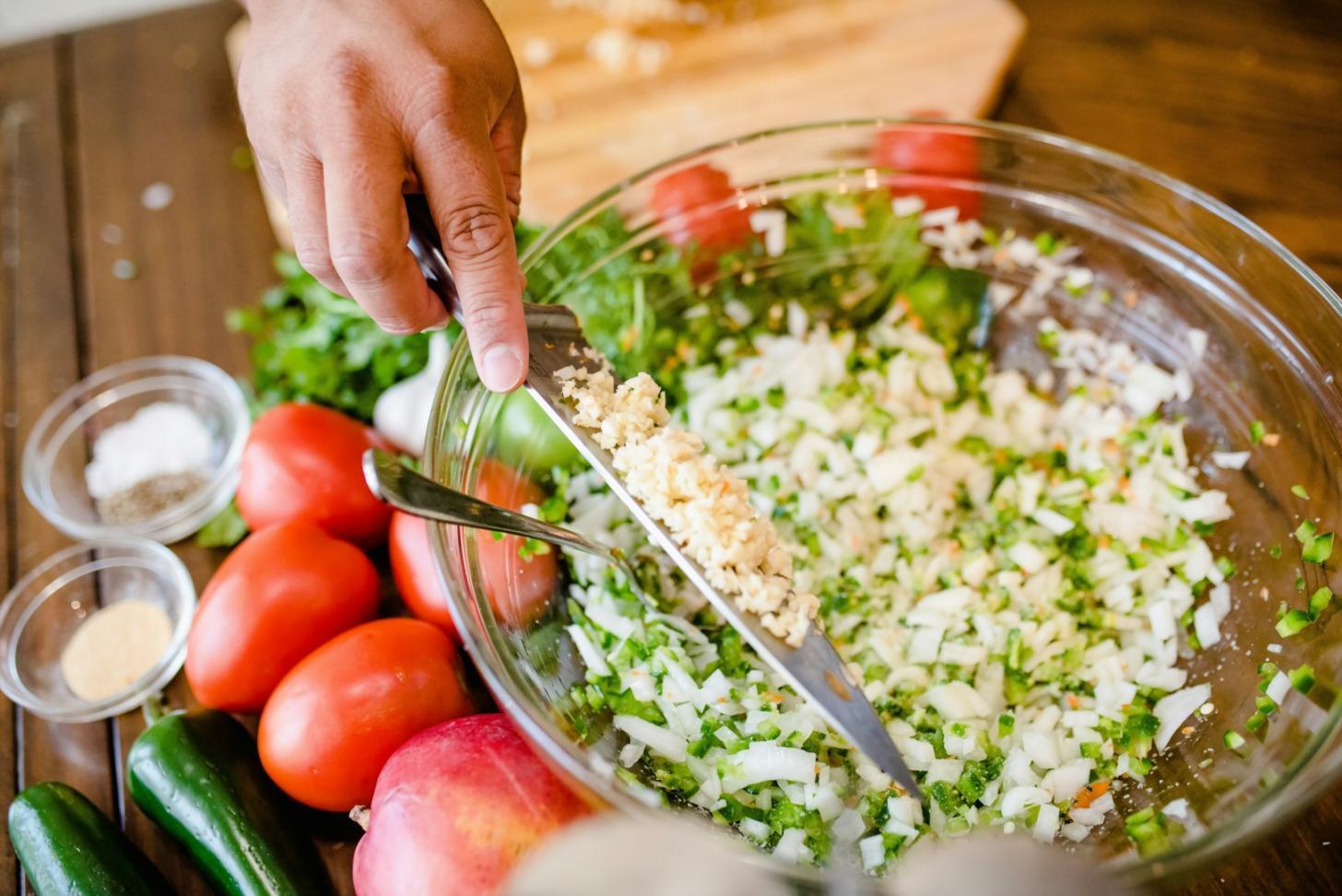
Our streaming setup handles live sessions with up to two hundred concurrent participants. We use adaptive bitrate streaming so the quality adjusts based on each person's connection speed. Video stays available for review after sessions end, with proper indexing so you can find specific techniques quickly.
Discussion Tools
Text-based forums organized by topic with proper threading and search functionality. Instructors respond within twenty-four hours during weekdays. Questions remain visible so other students can benefit from the answers. We archive everything so you can search past discussions.
Access Management
The system handles enrollment, payment processing, and content access automatically. Materials become available based on your progression through the program. All content remains accessible for twelve months after program completion.
Partnerships: Collaboration with Practicing Companies
We work with businesses that have actual kitchens and regular customers. These partnerships give us insight into what techniques actually get used in professional settings and what home cooks struggle with most.
Regional Restaurant Groups
We consult with three restaurant groups operating multiple locations across Romania. They share data about common prep mistakes, ingredient handling issues, and timing problems their new kitchen staff face. This information directly shapes our curriculum content and practice exercises.
Ingredient Suppliers
Two produce distributors provide us with seasonal availability data and quality assessment criteria. They also help us understand realistic pricing so we can teach students how to shop efficiently. Our seasonal cooking modules reflect actual market conditions rather than idealized scenarios.
Professional Kitchen Equipment Retailers
One equipment supplier helps us test home cooking tools and identify which professional techniques translate to residential kitchens. They also provide insight into what equipment failures and user errors they see most frequently, which informs our equipment guidance sections.
Student Feedback: Learner Influence on Educational Program Development
Students tell us what's working and what needs adjustment. We use this feedback to modify curriculum pacing, add clarification where needed, and restructure sections that cause consistent confusion.
The knife skills section initially moved too fast. We slowed it down after multiple students mentioned they needed more time to develop muscle memory. Now there's a two-week practice period before moving to heat control. That adjustment came directly from student comments about feeling rushed.
Students requested more regional ingredient information instead of just general categories. We added specific sections covering Romanian seasonal produce with local names and typical availability windows. The vegetable storage module got completely restructured based on questions about root vegetables specifically.
We originally taught recipe scaling through mathematical formulas, but students kept asking for more practical examples. Now the module includes actual shopping scenarios and portion planning exercises. The troubleshooting section expanded significantly after students shared common problems they encountered during practice.
What We've Built Since 2020
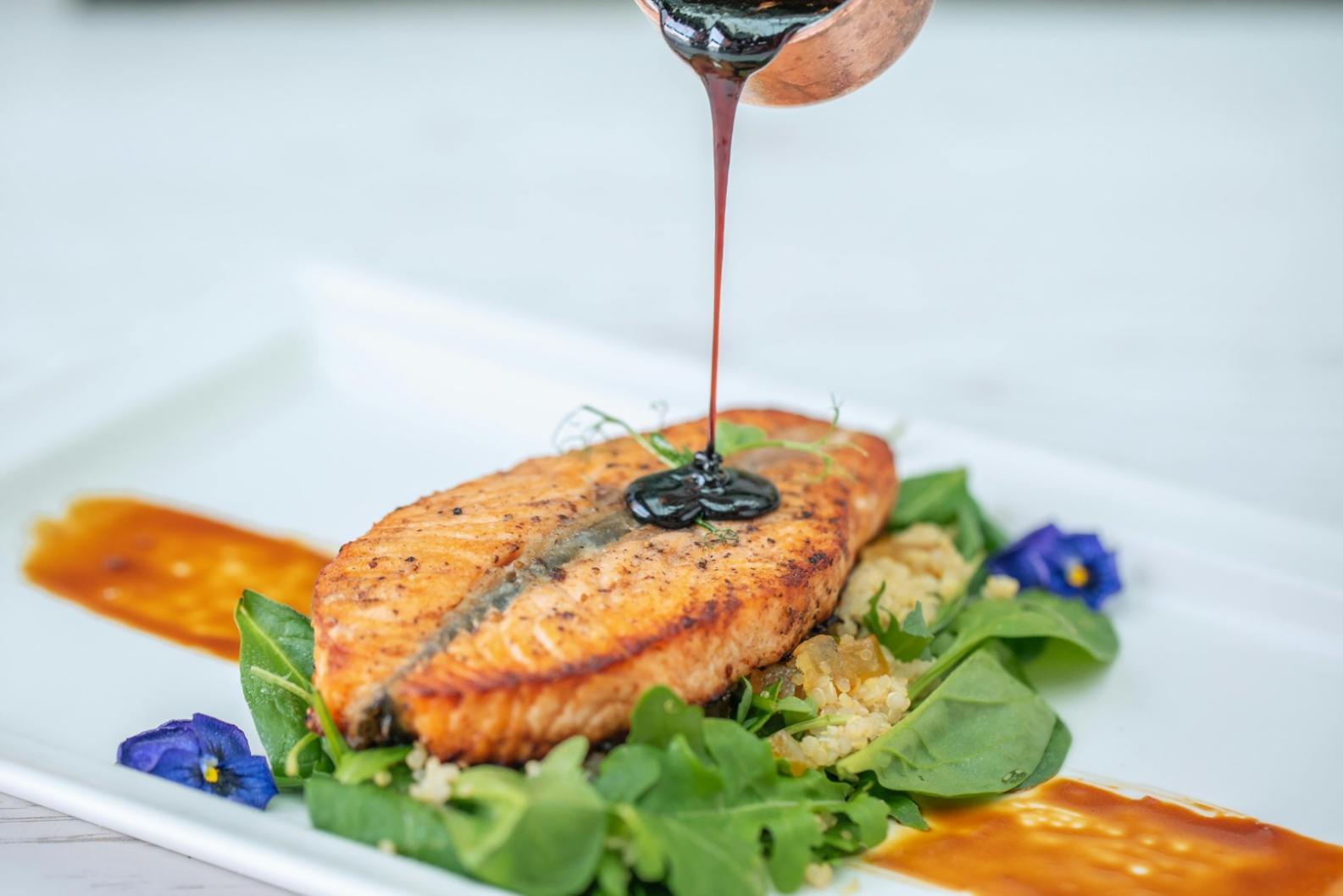
People from forty-two counties across Romania have participated in our programs. Most continue practicing after completing their initial courses. Around sixty percent return for advanced modules once they've spent time working with foundation skills.
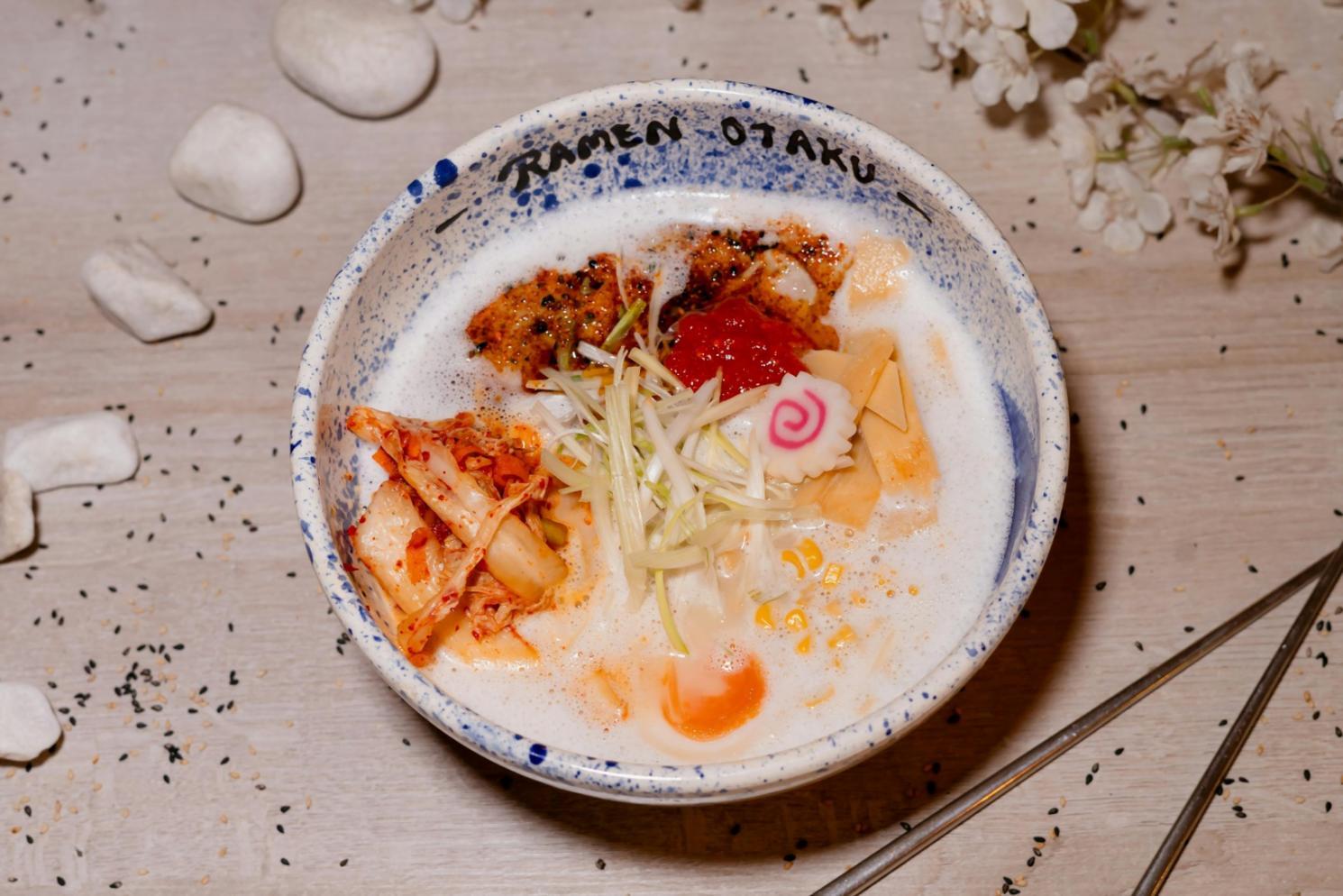
Each session runs ninety minutes with specific technique demonstrations and practice time. We record everything so students can review at their own pace. The archive includes sessions from early 2021 forward, organized by topic and complexity level.
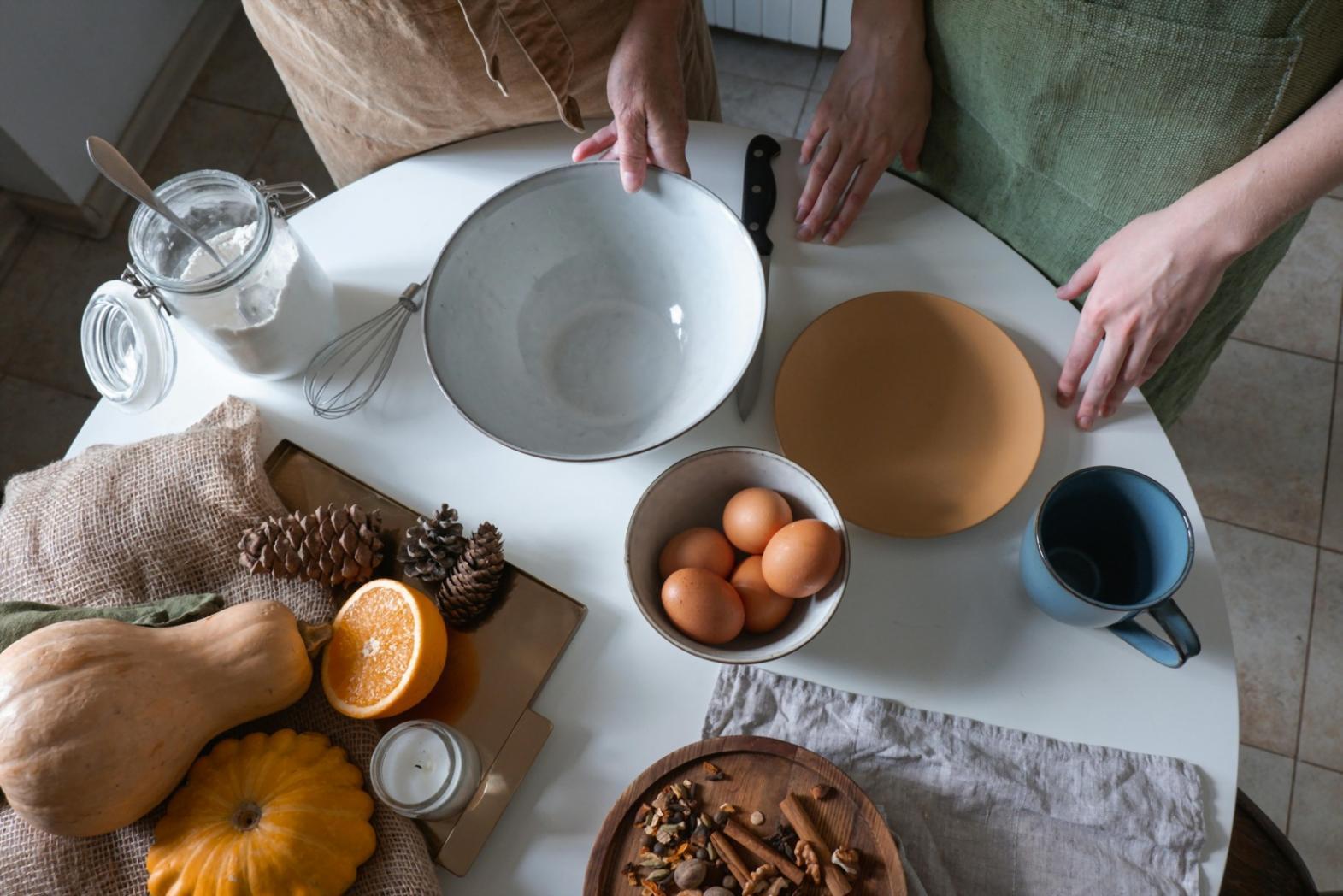
Our discussion platform contains detailed responses to specific cooking problems students encountered. Questions range from basic timing issues to complex ingredient substitution scenarios. Instructors provide thorough explanations rather than quick fixes.
Most students who start a program finish it, though timing varies significantly. Some complete foundation skills in three months, others take seven. We measure completion by demonstrated proficiency in required techniques rather than strict time limits.